Keep drainage gullies clear by removing leaves and loose surface debris before it enters the grating, checking after severe weather and dealing with slow drainage early. Only clean areas you can reach safely from your property. Never lift a public-road cover, reach into a gully or enter traffic to clear a highway drain.
Key takeaways
- Sweep up leaves and silt instead of washing them into a gully.
- Check private gullies after storms, leaf fall and outdoor work.
- Keep oil, paint, cement and chemicals out of surface-water drains.
- Report public-road defects and seek help for recurring overflows.
What does a drainage gully do?
A drainage gully collects wastewater or rainwater while trapping debris before it reaches connecting pipework. Suffolk County Council’s drainage guide explains that a road-gully pot retains leaves, litter and soil to protect the outlet pipe. Private gullies use a similar principle, although their purpose and connections vary.
Some gullies receive rainwater from gutters, patios or yards. Others take wastewater from kitchen or utility pipes. A trapped gully retains water as an odour seal, so visible water does not automatically mean it is blocked. The warning sign is water rising, draining unusually slowly or overflowing during normal use.
How can you keep a private gully clear?
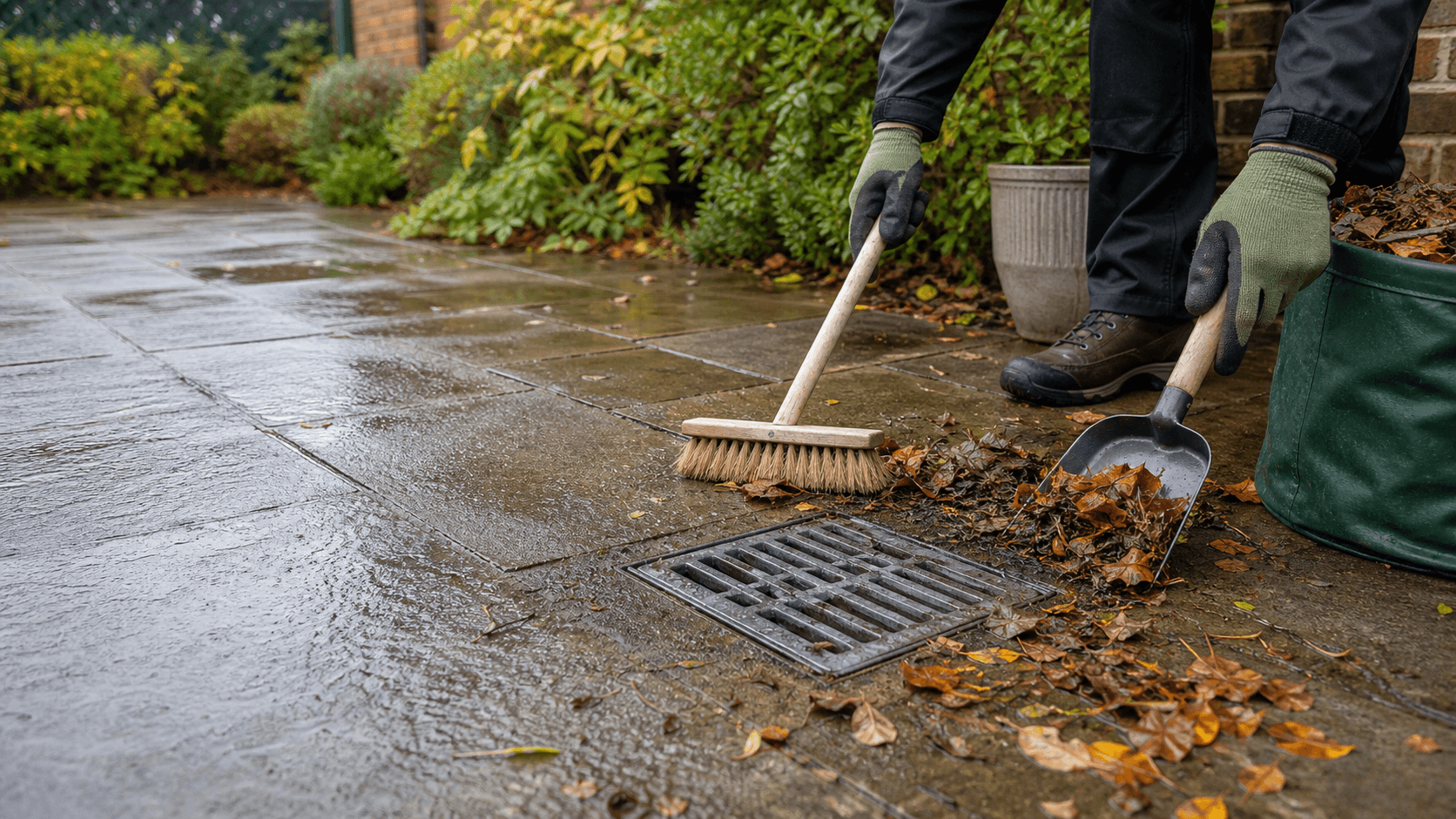
Regular surface cleaning prevents much of the avoidable build-up. Remove leaves, litter and loose soil from around an accessible private grating with a brush and shovel, then place the waste in the correct bin or compost stream. Do not hose it through the grate, because that simply transfers debris into the gully pot.
Wear sturdy gloves and footwear, and keep the working area stable. Use tools rather than bare hands, as sharp objects and contaminated material may be hidden beneath leaves. Keep children and pets away while the cover is exposed or the surrounding surface is wet.
Clean guttering and downpipe outlets so roof debris does not arrive at ground level in one concentrated surge. Fit guards only where they will not restrict necessary flow, and maintain them frequently. A clogged leaf guard can redirect water towards walls or entrances.
For a removable basket or silt trap on private property, follow the manufacturer’s instructions. Lift only components designed for routine user access. Do not remove heavy covers, climb into a chamber or reach into standing water.
Set a practical inspection schedule
Check private gullies monthly as a starting point, then adapt the interval to the site. Trees, unmade ground, vehicle movements and busy commercial yards can fill a gully more quickly. Inspect again after high winds, heavy rain, autumn leaf fall or work that creates dust and debris.
What should never go into a gully?
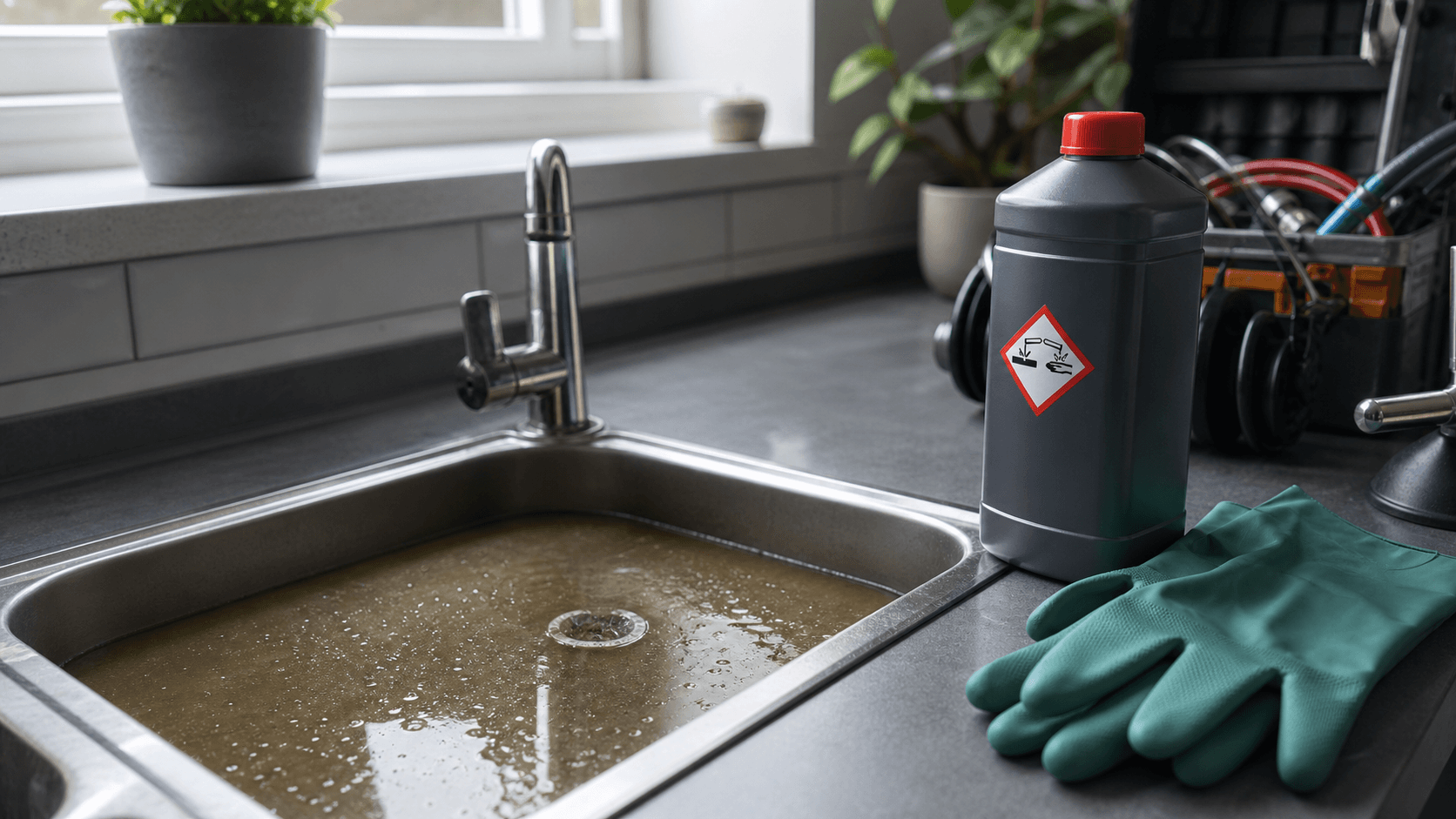
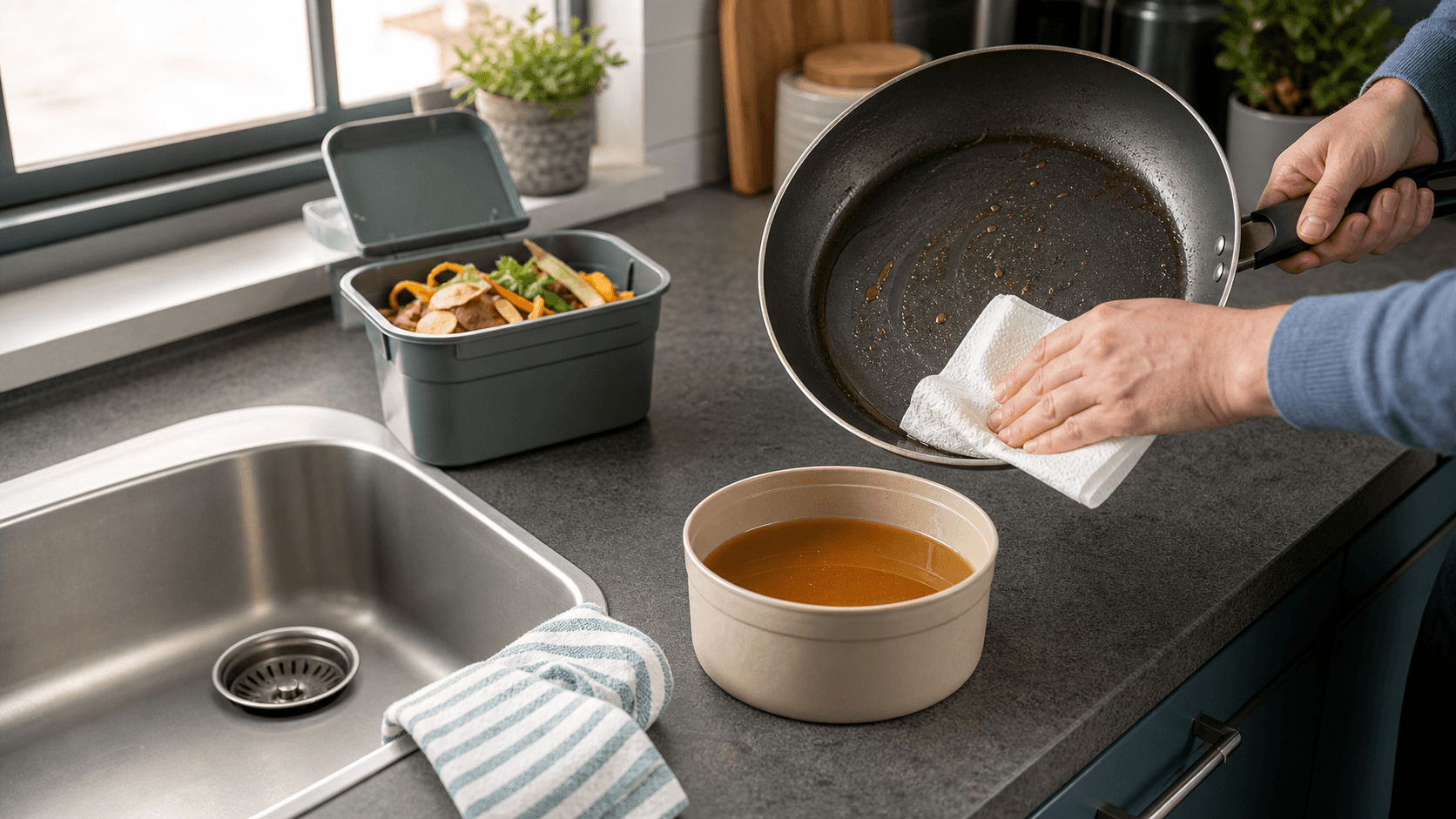
Only the water stream the gully was designed to receive should enter it. Paint, oil, solvents, cement washout, plaster, food fat and cleaning chemicals can block pipework or pollute receiving waters. GOV.UK pollution-prevention guidance advises businesses to store and handle polluting materials so they cannot enter drains or watercourses.
Surface-water drains may lead to a watercourse without sewage treatment. That makes an outside grating an unsafe disposal route for mop water or leftover products. Identify drainage connections before setting site procedures, and use designated foul-water or waste routes only where they are approved.
Building work needs particular care. Sand, mortar and concrete residue can settle and harden, while soil from landscaping can rapidly fill a gully pot. Use covers or sediment controls that preserve safe drainage, collect waste at source and inspect the area before forecast rain.
When is standing water a sign of a blockage?
Standing water is concerning when it rises towards the top, remains after inflow stops or returns quickly after accessible debris is cleared. However, heavy rain can temporarily exceed a working system’s capacity. Gloucestershire County Council says road flooding should generally recede about an hour after intense rainfall ends.
Observe from a safe location. If water clears as rainfall eases, temporary overloading may be the cause. If it remains, the grating, gully pot, outlet or downstream pipe could be restricted. Repeated ponding in ordinary rain deserves investigation even if it eventually disappears.
For a wastewater gully, run only a small amount of water from one known connected fixture while someone observes safely. Stop immediately if the level rises. Do not keep testing multiple appliances, because added discharge can turn a partial restriction into an overflow.
Foul odours may indicate a dry trap, accumulated organic material or a drainage fault. Cleaning visible debris can help, but persistent smells need proper diagnosis. Do not mask them by pouring bleach or disinfectant into the gully.
When should you call a drainage professional?
Arrange help when a private gully overflows, remains slow after safe surface cleaning or repeatedly fills with silt. Sewage, several affected drains or water returning into the building require prompt action. Professional drain clearance can address restrictions beyond normal user access and reduce unsafe contact with contaminated water.
Keep people away from any overflow and stop using connected fixtures if discharge makes it worse. Do not open covers or insert makeshift rods. Tell the drainage provider what entered the system, whether chemicals were used and which fixtures are affected.
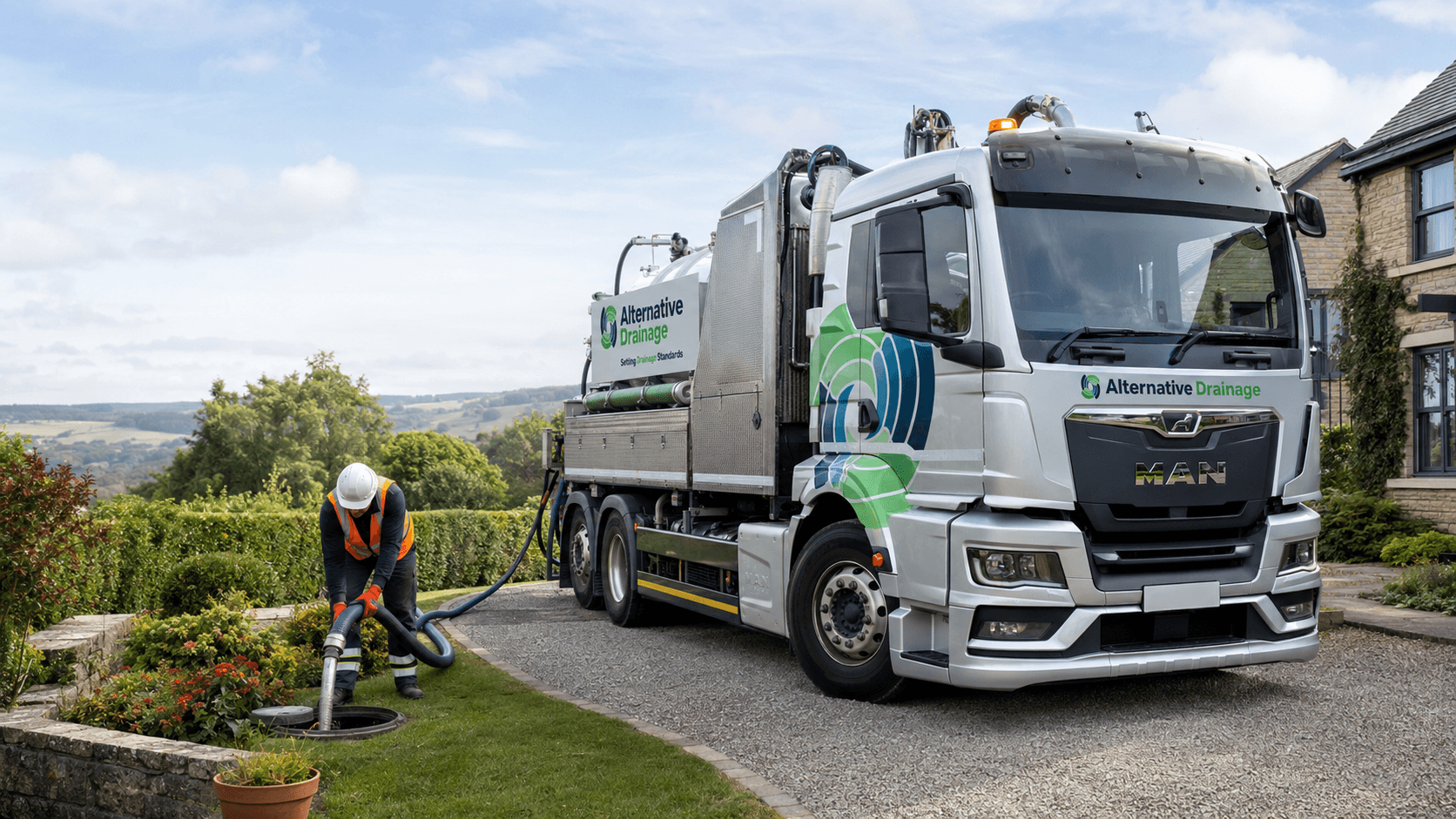
Commercial yards and larger gullies may need planned emptying and cleaning. Where suitable, jet vac services can remove retained silt and clear connected pipework while containing the extracted waste. The method should follow a site and drainage assessment.
If the same gully blocks repeatedly, a CCTV drain survey may identify displaced joints, roots, a damaged outlet or poor alignment. Clearance restores flow, but inspection can reveal why the restriction keeps returning.
Treat sewage and deep water as hazards
Do not walk or drive through floodwater to reach a gully. Water can hide missing covers, sharp debris, sudden changes in level and moving traffic hazards. Keep away from sewage-contaminated water and use appropriate professional cleaning after an incident.
Call emergency services when flooding presents an immediate danger to life. For water entering a building, isolate electricity only if it is safe to do so and follow advice from the emergency services, insurer and relevant authorities.
How should you report a blocked road gully?
Report a road gully to the relevant council or highway authority with the precise location, direction of travel and nearby landmark. Include whether water is threatening property, obstructing the carriageway or hiding a damaged cover. A photograph taken from a safe pavement position may help, but never enter traffic to obtain one.
Leaves lying over a grate can sometimes be brushed away from the pavement where there is no traffic, deep water or other danger. Suffolk County Council advises using a brush or suitable tool and warns residents not to lift covers or put hands into drains. If safe access is doubtful, report it and leave it alone.
A public gully that floods during intense rain is not necessarily blocked. Drainage can be overwhelmed by the volume of runoff. Report persistent flooding after the rain eases, recurring trouble at the same location, displaced grates or any immediate hazard.
Frequently asked questions
How often should I check a drainage gully?
Monthly checks are a useful starting point for a private gully, with extra inspections after storms, high winds, leaf fall or building work. Increase the frequency where trees, soil or business activity produce more debris. Highway gullies should be reported to the council if faulty.
Should a drainage gully contain water?
Yes, a trapped gully normally retains some water to stop drain odours passing back through the grating. Water becomes a concern when its level rises during ordinary use, remains close to overflowing or drains much more slowly than usual.
Who is responsible for a blocked road gully?
The highway authority normally maintains gullies serving public roads. Use your council’s reporting service and provide an accurate location. Do not lift the grate or step into the carriageway. Private gullies and drainage within a property boundary may be the owner’s responsibility.