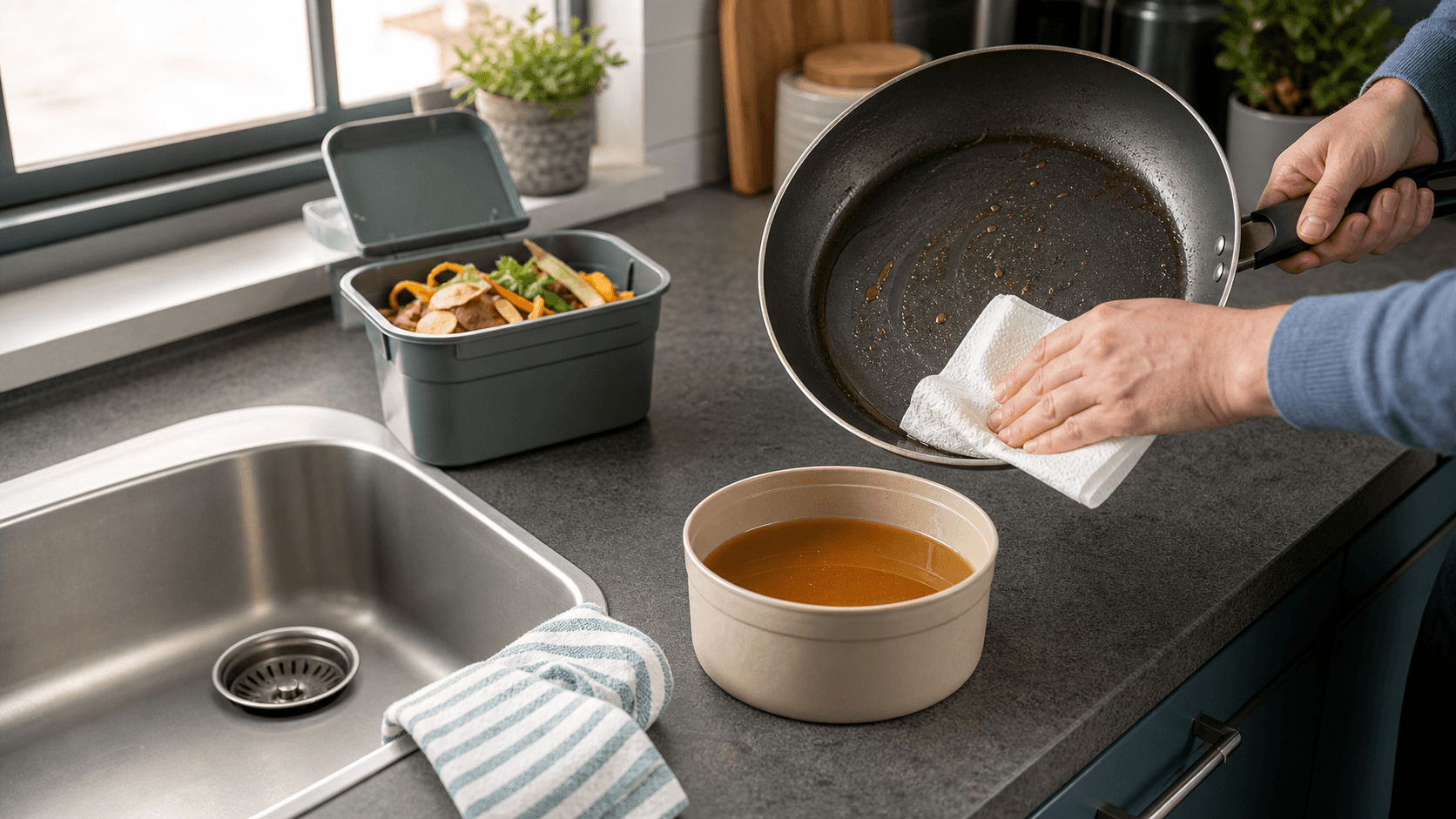
The most effective way to prevent grease build-up is to stop fats, oils and grease entering the drain. Let cooking fat cool, collect it in a suitable container, wipe greasy cookware before washing and catch food scraps with a sink strainer. Businesses also need documented disposal routines, suitable equipment and authorised waste collection.
Key takeaways
- Never pour fat or cooking oil into a sink or surface-water drain.
- Scrape plates and wipe greasy cookware before washing.
- Use strainers and maintain grease-control equipment correctly.
- Investigate slow, smelly or repeatedly blocked drains early.
Why does grease block drains?
Grease blocks drains because it cools, sticks to pipe walls and captures other waste. Water UK says inappropriate substances such as fats, oils and grease contribute to an estimated 366,000 sewer blockages each year. Prevention matters because deposits can narrow both private waste pipes and the wider sewer network.
Liquid oil looks harmless as it leaves a warm pan, but conditions change inside the drainage system. Animal fats, butter, gravy and oily sauces can thicken or solidify. Food particles, wipes and other debris then attach to the coating, gradually reducing the available bore.
Hot water and washing-up liquid do not solve this process. Water UK explains that cooking fats can set hard in cold pipes even when poured away with both. Detergent may break grease into droplets for a short distance, but it does not turn fat into a drainage-safe material.
The first sign may be a sink that empties more slowly after busy cooking periods. Glugging, stale odours and water rising in a connected appliance can follow. Acting at this stage is less disruptive than waiting for a complete blockage.
How should households dispose of fats, oils and grease?
Households should cool and contain leftover fat instead of rinsing it away. Water UK advises pouring fat and oil into a container, then placing it in a bin or food-waste caddy once cool. Local recycling and food-waste rules differ, so check your council’s instructions before choosing the final container.
Pour liquid fat from roasting trays into a heat-resistant container while it is still manageable, but do not handle it while dangerously hot. Once cool, seal or empty the container according to local guidance. Never pour oil onto soil, into a road gully or down an outside drain.
Wipe pans, baking trays and plates with kitchen roll before washing them. Scrape solid leftovers into the appropriate waste container, and fit a removable strainer over the sink outlet. Empty the strainer into the bin rather than tapping it over another drain.
Small habits matter. Keep a clearly labelled fat container near the food preparation area, and make disposal part of the washing-up routine. Guests and family members are more likely to follow the rule when the alternative is visible and convenient.
Which foods create hidden grease?
Grease does not come only from a chip pan. Meat juices, gravy, cooking sauces, dairy products, dressings and oily marinades can all leave deposits. Soup and stew remnants may contain enough fat to coat a pipe even when they appear mostly liquid.
Scrape these foods before rinsing. If a dish contains a fatty liquid, let it cool so the fat can separate, then remove the solid layer. The remaining liquid still needs disposal according to its contents and local waste guidance.
What should food businesses do differently?
Food businesses need a managed system rather than relying on individual judgement. Water UK’s foodservice fat, oil and grease management guide explains that FOG entering drains can cause problems businesses may have to put right at their own cost. Clear responsibilities should cover every shift and cleaning routine.
Start by mapping where grease is produced and where equipment discharges. Fryers, combination ovens, pot-wash sinks, dishwashers and floor-cleaning routines may each create different risks. Position suitable waste containers close to the source without creating a burn, spill or manual-handling hazard.
Train staff to dry-wipe and scrape before pre-rinsing. Sink strainers should remain in place, be emptied frequently and never be bypassed to speed up closing tasks. Display short instructions where decisions are made, not only in a staff handbook.
Used cooking oil should be stored securely for collection by an authorised contractor. GOV.UK guidance on commercial food waste says cooking oil must not be poured down drains or sewers and businesses must keep waste transfer notes. Containers should be suitable, closed and protected from spills or unauthorised access.
Grease traps and treatment equipment
A grease trap or grease-removal unit only works when correctly sized, installed and maintained. It is not permission to pour unrestricted fat into the sink. Follow the manufacturer’s service schedule and arrange waste removal before retained material exceeds the equipment’s working capacity.
Keep inspection and cleaning records. A sudden change in retained grease, odour or discharge can reveal a damaged baffle, poor staff practice or an overloaded unit. Do not use enzymes, bacteria or chemicals as a substitute for required maintenance unless the system designer and relevant drainage authority approve their use.
Which cleaning habits make the problem worse?
Rinsing greasy floors and equipment towards a drain transfers the problem rather than removing it. The same applies to tipping mop buckets containing oil, food scraps or harsh chemicals into an outside gully. Collect solid contamination first, then follow the cleaning-product label and the site’s wastewater arrangements.
Boiling water is not a safe maintenance treatment for grease deposits. It may move softened fat deeper into the system, where it cools again. Very hot water can also create splash and scald risks, particularly when poured into a slow sink.
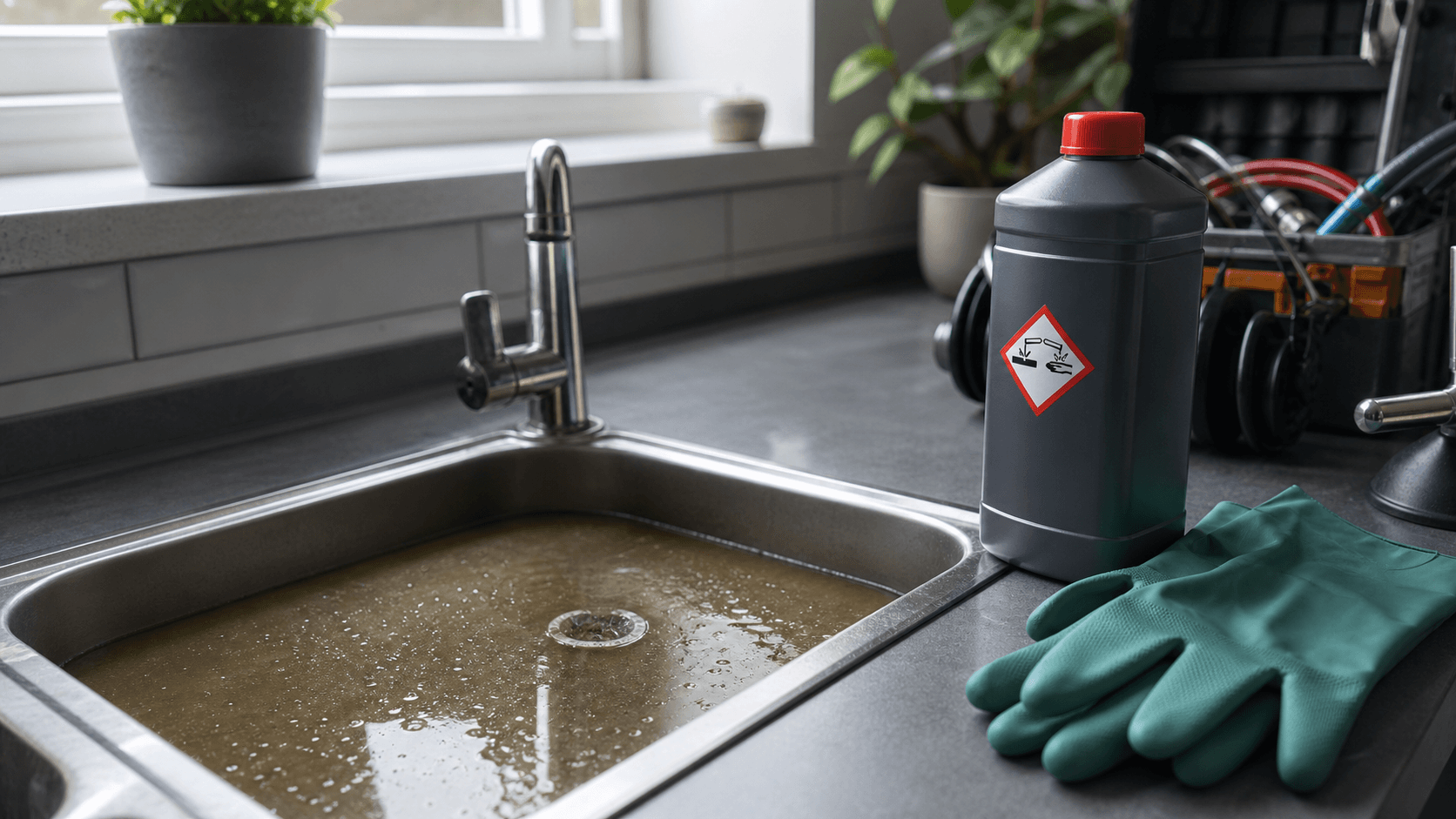
Avoid routine chemical drain cleaners. They may not remove the full grease layer and can leave hazardous liquid behind a restriction. Never mix cleaning products. If a business uses chemicals, its COSHH assessment and product safety data sheet should define safe storage, handling and spill response.
When does grease build-up need professional clearance?
Professional assessment is appropriate when drainage remains slow after accessible debris is removed, several fixtures are affected or the problem returns. A recurring restriction may involve a larger grease deposit, poor pipe falls, displaced joints or another defect. Professional drain clearance can address the obstruction without relying on repeated chemical treatment.
Stop using connected sinks or appliances if wastewater starts backing up. Continuing to discharge water can cause internal flooding and spread contamination. Keep people away from sewage, and tell the drainage provider about any chemicals or previous attempts before work starts.
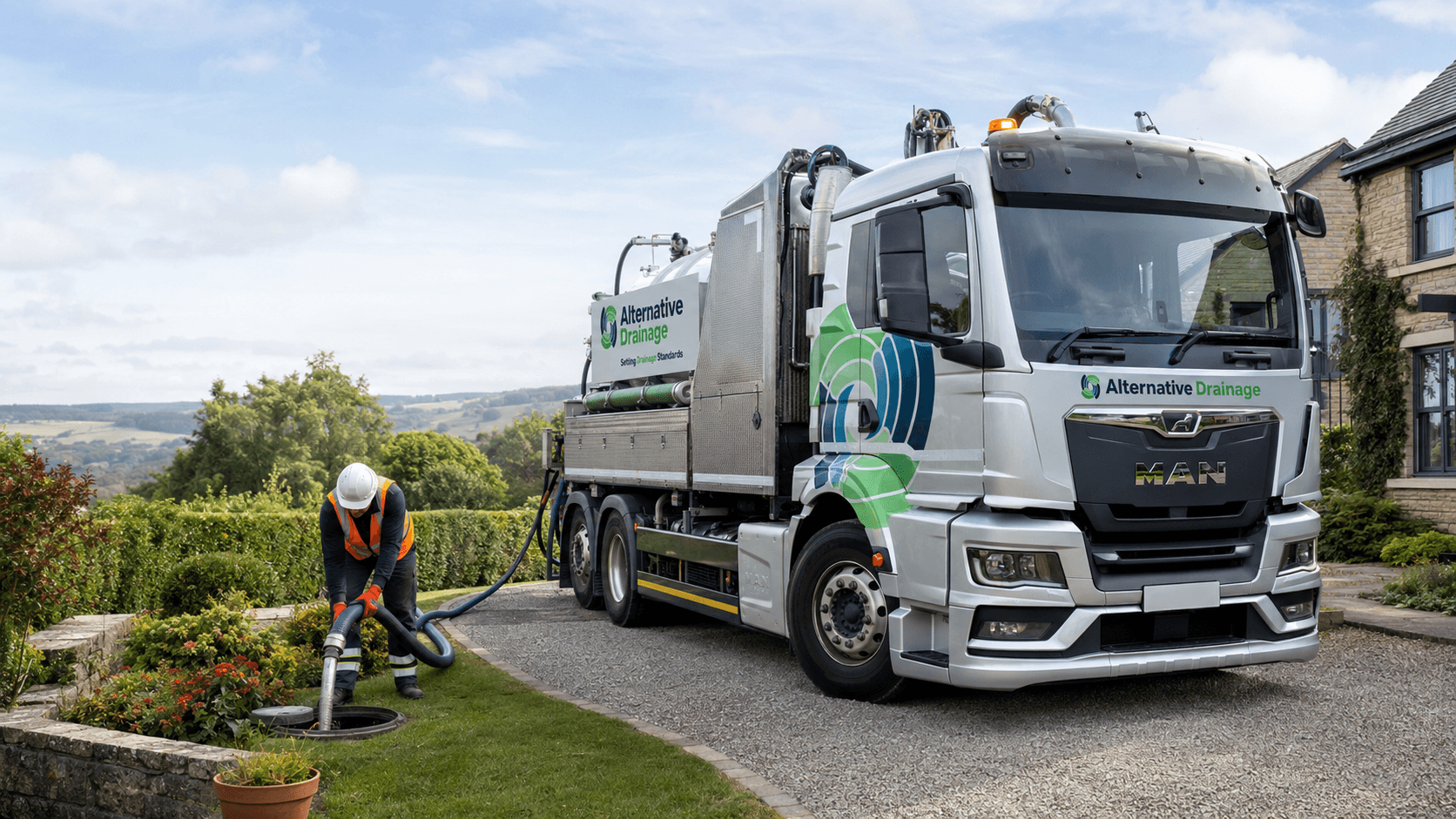
For heavy deposits in suitable commercial drainage, jet vac services may combine high-pressure cleaning with waste removal. The method should follow an assessment of access, pipe size, condition and contents. High pressure is specialist equipment, not a DIY solution.
If blockages return despite clearance and good disposal controls, a CCTV drain survey may reveal damage or a layout problem that encourages deposits. The aim is to correct the cause, not simply reset the cycle.
Frequently asked questions
Can I pour cooking oil down the sink with hot water?
No. Hot water can carry oil a short distance, but colder pipework allows grease to thicken and stick. Washing-up liquid does not make oil safe for drains. Cool and collect it, then use your council’s food-waste, recycling or residual-waste route as directed.
How should a business dispose of used cooking oil?
Store it in suitable sealed containers and use an authorised waste contractor. Keep the required waste transfer documentation and prevent leaks. GOV.UK states that commercial cooking oil must not be poured into drains or sewers, because it can cause blockages and pollution.
What are the early signs of grease build-up?
Slow emptying, glugging, unpleasant odours and wastewater appearing in a connected fixture can indicate a developing blockage. Remove only accessible debris safely and stop adding fat. If symptoms persist or return, arrange an assessment before the pipe closes completely.
Make prevention part of the routine
Grease control works best when disposal is easier than using the sink. Give every kitchen a fat container, sink strainers and a clear scraping routine. In a business, add named responsibilities, staff training, collection records and planned equipment maintenance.